“I was walking in town when I felt someone’s hand in my dress,” a retired School Matron, Ms. Theresa Esi Bannerman, said.
“I quickly asked why she was doing that, and she replied that she had heard I had been diagnosed with breast cancer and lost one of my breasts, so she was trying to find out whether it was true or false.”
Ms. Bannerman said the insensitive and intrusive nature of some persons in society was disturbing and made victims of breast cancer more devastated.
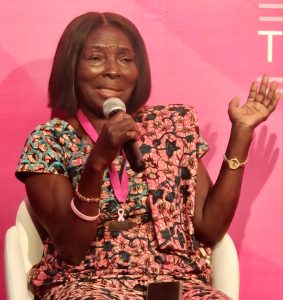
Ms Theresa Esi Bannerman, a breast cancer survivor.
As she disclosed this in an interview, she said her experience, which dated 28 years ago, was more challenging because at the time, much was not known about breast cancer, and so even when the health personnel confirmed that the two lumps found in her left breast were as a result of the disease, it was difficult for her to process the information.
The mother of four said she suffered less stigmatisation because she felt the matter was too private to be shared, but somehow, unfortunately, someone she trusted must have accidentally told others, which sparked gossip.
“And that is why the woman was curious to know whether the news going round about me was true or false to the extent of putting her hand in my dress in public,” she shared.
However, the retired matron said she was not perturbed because she had adhered strictly to medical advice and looked up to God for strength and the grace to keep pressing on.
“Years after my experience, I decided to start an advocacy to educate women about the disease and also encourage those who are battling it that there is hope,” she disclosed. “I noticed that when a survivor spoke to them, it made more meaning compared to someone who had never gone through that painful process.”
Ms. Bannerman said she feels happy when she is able to make a situation hopeful, as some victims of the disease have held on to the belief that once they have been diagnosed with breast cancer, they would die.
“When I tell them I have survived it for 28 years, they feel so pleasantly surprised and they open up for discussions, which I have observed changes the story from a hopeless one to one that is hopeful,” she said with smiles.
She, however, observed that some husbands abandoned their wives once they heard they had the disease and left them to their fate, a trend she described as unacceptable and therefore needed to be changed.
Her observation was corroborated by a Senior Staff Nurse with the Oncology Department of the Komfo Anokye Teaching Hospital, Kumasi, in the Ashanti Region Ms. Charity Osei Fosuah.
“We have countless numbers of women in our facility where immediately their husbands heard their wives have been diagnosed with breast cancer, they have said they could not live with them because they were going to die,” she mentioned.
She said it was unfortunate that people see those who have the condition as outcasts and treat them as if they are under a curse, and the disease is a punishment for their wrongdoing, but she stated that is not true.
The health personnel said it was a matter of concern that such women have to struggle to take care of themselves by raising huge funds to pay their bills, combined with taking care of their children.
“If your wife or sister, husband or brother is diagnosed with breast cancer, know that it is not a death sentence. It can be cured if detected early to save the person’s life,” she encouraged husbands to support their wives during such periods and encourage them with positive words and also support them to pay their bills “because they need love and also financial support.”
She also emphasized the fact that breast cancer could affect men also and so they should also get screened often.
Meanwhile, a survivor of breast cancer, Ms. Fafa Gozo has testified that spousal support was key to the healing process. She said when she detected a “small lump” in her breast and she told her husband about it, he encouraged her to seek early medical attention to prevent possible complications.
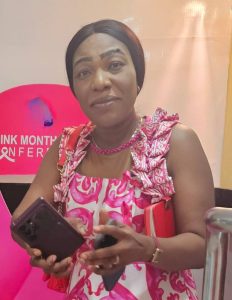
Ms Fafa Gozo a Breast Cancer Survivor
She said when she was diagnosed, she had resorted to herbal medicine, which her husband had discouraged, and further encouraged her to go back to the hospital.
“I thank God for my husband because I don’t know what I would have done without his support,” she said. “He always said we were in it together and would pull through together.”
The breast cancer survivor said his constant affirmation made a huge difference, especially because she was already at stage four of the disease, which even led to the removal of her fallopian tubes and ovaries.
Ms. Gozo disclosed that at the time of the diagnosis, she was breastfeeding her fourth child and was done having babies, so it did not hit her as badly as it would have if she did not have children. She said she had maintained a few people around her because an earlier attempt to get support from some people had come with negative comments, which made her more depressed and affected her mental health.
She advised anyone diagnosed with the disease not to resort to herbal medicine because her delays out of fear and desperation had aggravated her situation. “Now I go for my reviews and take my medication, and I feel better and even have the strength to do advocacy to save more lives,” she said.
A Breast Cancer Surgeon at the Korle-bu Teaching Hospital, Dr. Florence Dedey, admitted that acceptance was a challenge for those who had been diagnosed, coupled with myths that made it difficult for some to commence treatment. She, however, discouraged that way of life and emphasized that because early detection saved lives and also cost, the best thing was to go to the hospital as early as possible.
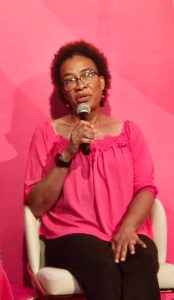
Dr. Florence Dedey, a Breast Cancer Surgeon at the Korle-bu Teaching Hospital, Accra.
“If a patient comes late, it gets to a point where it is no longer curable, although it can be treated,” she said, and therefore advised that women should choose seeking medical attention on time because it also became less expensive.
A Mental Health Nurse, Mr. Kofi Asare, speaking in an interview, noted that, fear, panic, and stigma, sometimes led to depression, should could even push them into taking their lives.
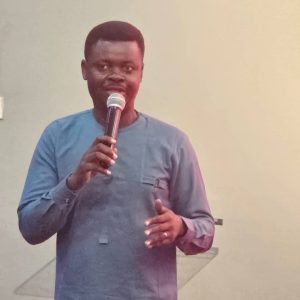
Mr. Kofi Asare, a Mental Health Nurse
He called on all those who are battling the disease to seek medical help because that had been proven to save lives.
“There is hope, so seek help,” he said. “Go to the professionals for help and be assured that whatever you tell them will not be shared.” Mr. Asare also highlighted the need, especially for spousal support and their families, while discouraging stigmatization either by society or self-stigma. He underscored that being diagnosed with breast cancer did not limit a person’s ability but with the right attitude to medical advice, they could do what all others could do without limitation.
A teacher, Mr. Kofi Aidoo who is a son of a breast cancer survivor also in an interview said it was important to mention that the disease affected not only those diagnosed with it but also their families and loved ones.
“My mother’s case was detected early and so with early detection, treatment, and support, she was able to overcome the challenges of the disease and live fulfilling lives which saved us a lot of stress as compared to others who also came to the same facility she was receiving treatment.”
He shared that the situation took a toll on their finances and emotionally drained the family but her survival was worth every effort and cedis spent.
“If you or someone you know is affected by breast cancer, please seek medical attention and support. Remember to also take advice from only health personnel and also fall on recommended support groups for strength. Breast cancer is not a death sentence, as the experts always say, and with the right treatment and support, you can overcome it” he advised.
In conclusion, breast cancer survivors are a testament to the human spirit’s ability to overcome adversity.
Their stories and that of their families serve as a reminder that with early detection, treatment, and support, every patient can survive and thrive after a breast cancer diagnosis.
Let us continue to support and empower each other in the fight against breast cancer.
Let’s work together to break the stigma surrounding breast cancer and empower each other to prioritise our health.
END