


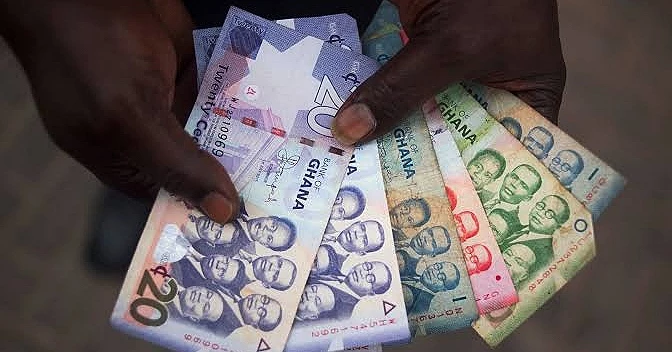
Cedi tumbles as year-end dollar demand ends winning streak
Surge in demand for U.S. dollars by importers preparing for the year-end holiday season has brought an end to the Ghanaian cedi’s standout performance.
According to Bloomberg data, the cedi has weakened by 13% so far this quarter, the steepest drop among global currencies erasing a portion of its earlier 50% gain, which had made it the world’s best-performing currency in the second quarter, thanks in part to rising gold prices.
Analysts say the cedi’s recent slide is being driven by increased corporate demand for dollars to pay for imports, coupled with the Bank of Ghana’s limited ability to meet that demand.
“Last week, banks that submitted dollar requests on behalf of clients to the central bank received only about 50% of what they asked for,” said Hamza Adam, head of market-risk management at UMB Bank Ltd.
“This week, the central bank is trying to meet the full demand.”
The cedi traded 0.1% weaker at 11.9507 per dollar on the interbank rate.
Despite the recent dip, it’s still up 23% year-to-date.
Ghana’s economy, which relies heavily on imports for everything from food to machinery, typically sees a spike in foreign exchange demand ahead of the Christmas season as businesses restock.
Even though Ghana’s gross international reserves rose to a three-year high of $11.1 billion at the end of June 2025, the central bank has not released enough of those funds to fully meet forex demand.
In a statement, the Bank of Ghana said: “The cedi should remain stable within a reasonable range. Our role is to ensure exchange rate movements are orderly, reflect economic fundamentals, and do not undermine confidence in the broader economy.”