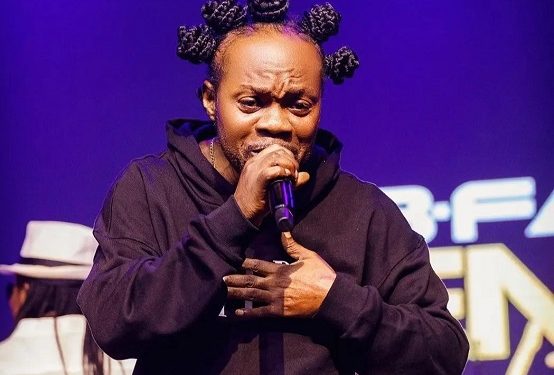
It’s difficult to put into words what Ghana and especially Asanteman has lost with the passing of Charles Kwadwo Fosu, affectionately known as Daddy Lumba. He was not just a highlife legend, but he was a voice of the people, a spiritual messenger, a storyteller, and a royal soul who never forgot where he came from.
Born on September 29, 1964, in Nsuta in the Sekyere Central District of the Ashanti Region, Lumba was the youngest of four children. His mother, Comfort Gyamfua (Ama Saah) was a staunch Chistian and a woman of discipline and faith. She instilled in him the values of humility, resilience, and service qualities that would echo in his songs for decades to come.
Though life was not easy, young Kwadwo showed early signs of musical brilliance. He formed his first singing group, the Lumba Brothers, while at school in Juaben Senior High School. After completing school, he travelled to Germany in the early 1980s, where he hustled, studied music, and eventually met Ernest Nana Acheampong. Together, they would record their breakout album “Yɛɛyɛ Aka Akwantuo Mu” a project that launched Lumba into the hearts of Ghanaians both home and abroad.
A royal soul “Ahenfo Kyini” and Love for Asanteman
Lumba was deeply proud of his Asante roots. In his song “Ahenfo Kyini”, he pays glowing tribute to Otumfuo Osei Tutu II, the Asantehene, acknowledging the pride, wisdom, and heritage of the Ashanti Kingdom. He revered Manhyia Palace not just as a seat of power, but as a spiritual symbol of unity and greatness. Anytime he performed this song, it wasn’t just music it was homage.
Love for Mothers, Fathers, and Children
Lumba’s lyrics were soaked in deep emotions. Songs like “Nyame Nhyira mma” reflected his affection for children and his prayers for their protection and success. He often honoured mothers and single parents, portraying them as strong pillars holding families together. His personal loss of his mother in 2001 left a deep void one he often reflected in his music.
When I lost my own father while studying abroad, it was “Owuo Atu Me Dunsini” that brought me comfort. The sorrow in his voice, the way he captured grief it was as if he had lived the pain himself. That’s how Lumba touched souls. His music became funeral hymns, love songs, wedding anthems, and spiritual prayers, all in one.
Politics Without Apology
Lumba was one of the few musicians who openly embraced politics. With “Nana Ye Winner”, he boldly endorsed Nana Addo Dankwa Akufo-Addo and the New Patriotic Party (NPP). He didn’t hide his views. He believed in speaking truth through song even when it wasn’t popular. He followed it up with “Ayɛ Huhu”, which many saw as a social commentary on the economic hardships facing ordinary Ghanaians. His FM station, DLFM, reflected his continued interest in using media to shape national dialogue.
Jesus, The Anchor
Despite all the fame, Lumba never stopped singing about Jesus Christ. His gospel song “Mesom Jesus” showed where his ultimate loyalty lay. He always gave credit to God for his talent, his healing, and his success. For him, it was never just about the beat, it was about the message.
Time to Honour the Legend
Today, we call on the Government of Ghana and the Ministry of Tourism, Arts and Culture to give Daddy Lumba the state burial he deserves, in his beloved Nsuta. Let a memorial park or mausoleum be built to attract tourists, both local and abroad. Let a major street in Accra, preferably where DLFM is located, bear his name. Let an annual memorial lecture in collaboration with the University of Ghana or the Ghana Academy of Arts and Sciences be established. As Hon. Awal Mohammed once said, Ghana has great potential in funeral tourism, and this is the right moment for Hon. Dzifa Gomashie to bring that vision to life. Lumba’s funeral will not just be a goodbye, it will be a celebration of Ghanaian identity.
A Legend Beyond Death
Yes, “Nana awu” the legend is gone. But his voice remains alive, echoing in the songs that raised us, healed us, and gave us hope. From “Theresa” to “Biribi Gyegye Wo”, from “Dangerous” to “Aben Wo Ha”, he gave us every mood, every message.
Daddy Lumba was not just a musician. He was a messenger. An Asante icon. A Ghanaian treasure.
Mekra mo, Daddy Lumba.
Your name will never be forgotten.
Wo din bɛtena daa
–
Author: Charles Fynn Oduro