The General Agricultural Workers Union (GAWU) is intensifying calls for stronger unions in seafood companies across the country.
According to the union, this move is crucial to protecting the welfare of fishers and enhancing productivity in a sector that remains largely informal.
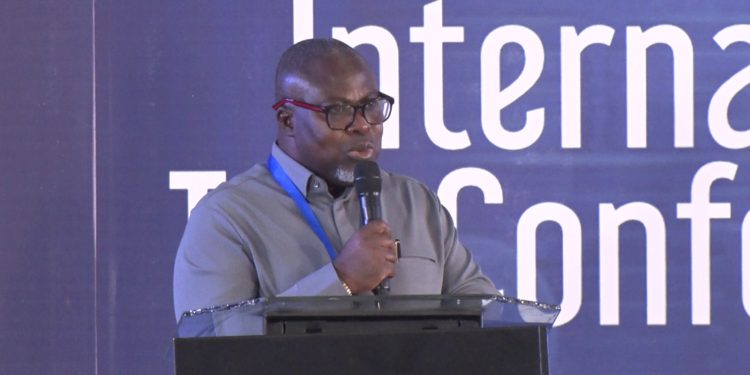
Speaking at the opening of the GAWU–International Union of Food, Agricultural, Hotel, Restaurant, Catering, Tobacco, and Allied Workers’ Associations (IUF) Seafood Workers Conference on Monday September 8, 2025 in Accra, GAWU General Secretary Andrew Addoquaye Tagoe stressed the importance of unity in demanding fair treatment for seafood workers.
“The fisheries industry has suffered. Apart from a few companies like Tropo Farms and West Africa Farms, where union structures exist, most of the sector has none. It is survival of the fittest. People work at sea without labour inspectors monitoring conditions, which has led to widespread exploitation on vessels.
Through our union, we are putting systems in place so workers have conditions of service, collective agreements, and improved collaboration with boat owners to ensure their safety,” he said.
Acting General Secretary of the IUF, Kristjan Bragason, also called on African worker unions to strengthen regional cooperation to advance the cause of seafood workers across the continent.
“In some African countries, such as Ghana, we have strong tripartite collaboration between trade unions, government, and employers to promote decent work. But in others, such policies are missing. By gathering here, we can share best practices, learn from one another, and strengthen national frameworks.
Working together regionally builds collective strength, and that regional strength can help shape global policies,” he noted.
The Trade Union Congress (TUC) Secretary-General, Joshua Ansah, emphasised the importance of International Labour Organisation (ILO) conventions in safeguarding seafood workers, stressing that their ratification and implementation can transform lives.
He highlighted Ghana’s commitment, noting that it was the second country to ratify key provisions.
Representing the Minister of Fisheries, Ishmael Nii Adjei Browne, Director of Research, Statistics, and Information Management at the ministry, highlighted the sector’s crucial role in food security, nutrition, employment, and poverty reduction.
He noted that fisheries employ an estimated three million people in Ghana and provide about 60 percent of the country’s animal protein needs.
Despite this, the industry faces severe challenges, including declining fish stocks, climate change, and labour rights concerns—issues that, he said, require bold strategies and stronger advocacy from both workers and civil society groups.