


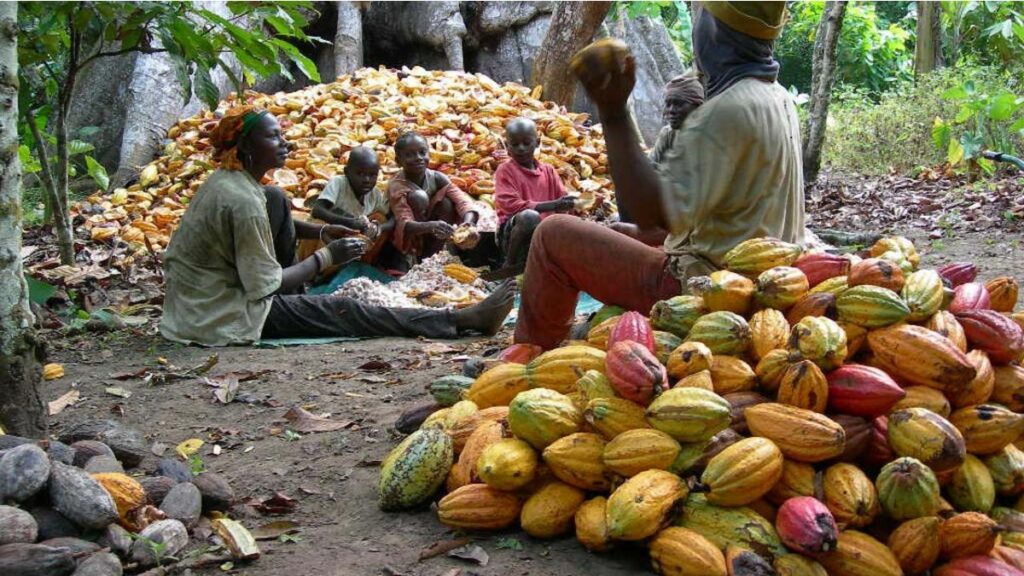
Ghana’s cocoa industry at risk as adverse weather batters farmers
The Concerned Farmers Association of Ghana is raising serious concerns about the growing threat that adverse weather conditions pose to the country’s cocoa sector.
According to the association, a nationwide tour of Ghana’s 72 cocoa-growing districts has revealed a worrying pattern as cocoa farmers are facing mounting challenges that not only endanger their livelihoods but also threaten the future of Ghana’s cocoa industry as a whole.
Unusually prolonged rainfall, cooler temperatures, and a lack of adequate sunlight have created a hostile climate for cocoa cultivation.
These weather extremes have led to a noticeable drop in yields, a surge in crop diseases, particularly black pod rot and a potential decline in bean quality, which is essential to maintaining Ghana’s reputation as a global cocoa powerhouse.
The impact extends beyond the farms.
The association warns that if these trends continue, they could result in widespread income loss for farming families, long-term damage to the cocoa sector, and heightened economic instability, especially in rural communities that rely heavily on cocoa as a primary source of income.
To address the crisis, the Concerned Farmers Association is urgently calling for government intervention and stakeholder support.
It is recommending immediate actions such as the promotion of climate-resilient farming techniques, the timely provision of fungicides and disease-control tools, and a significant boost in research focused on sustainable cocoa production.
In a press statement, Nana Oboadie Boateng Bonsu, President of the Association, stressed the need for a coordinated national response.
“We believe that through collective efforts, we can safeguard Ghana’s cocoa industry, urging government agencies, development partners, and private sector players to step in with both financial and technical support.
The association is also calling for the development of robust climate adaptation policies tailored specifically to cocoa production.
Without decisive and timely action, it warns, the backbone of Ghana’s agricultural economy could be severely weakened.