Tamale, the Northern Regional capital, played host to the World Shea Expo 2025 from September 2 to 4, bringing together more than 8,000 participants from across the shea value chain.
The three-day event, held at the Modern City Hotel, attracted producers, international buyers, policymakers, and development partners for what organizers described as the most significant global gathering on shea ever staged in Ghana.
The Expo, held under the theme “Empowering Women and Youth-Led SMEs: The Role of Government and Financial Institutions,” was officially opened by the Deputy Chief of Staff, Nana Oye Bampoe Addo, on behalf of President John Dramani Mahama.
Her address signaled government’s commitment to elevating shea from a subsistence livelihood crop to a strategic economic pillar with global market potential.
Day One: Women at the center of the industry
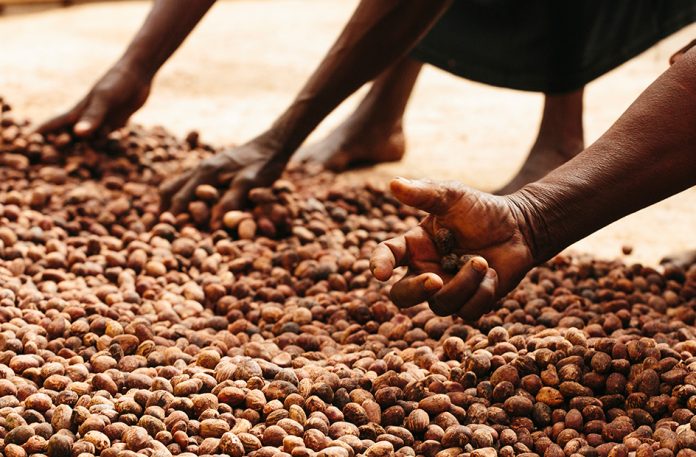
The first day of the Expo underscored the indispensable role of women in the shea value chain. Across Northern Ghana, the Upper East, and Upper West regions, more than one million women rely on shea collection and processing for their livelihoods.
They form nearly 90 percent of the industry’s workforce, spending long hours collecting nuts, roasting, kneading, and producing shea butter that sustains households and contributes significantly to rural economies.
A moving example was shared through the story of Abubakar Barkatu, a mother of seven and member of the Tungteiya Women’s Shea Butter Association.
For years, her work in shea has funded her children’s school fees, healthcare, and family needs. Her story mirrored that of countless women across the shea belt, illustrating why the crop is commonly described as “women’s gold.”
The Women in Shea Panel built on this theme, offering a platform for cooperative leaders to share their experiences and challenges. Panelists spoke candidly about the obstacles they face—limited financing, weak market access, and the need for institutional support.
They called for policies that ensure women not only participate in production but also benefit equitably from the wealth generated globally.
The day concluded with the lively Shea Trade Fair, where cooperatives, processors, and youth-led enterprises displayed a variety of products—from raw kernels and butter to soaps, cosmetics, and food items. The fair created direct linkages between Ghanaian producers and international buyers, with organizers estimating that dozens of contracts and export opportunities were initiated on the spot.
Day Two: Finance, Youth, and Sustainability
The second day shifted focus to money, markets, and modernization. At the Investors Forum, financiers and development partners engaged with policymakers and cooperatives on how to scale up Ghana’s shea industry.
In his address, Dr. Peter Boamah Otokunor, Director of the Presidential Initiatives in Agriculture and Agribusiness, outlined Ghana’s bold ambitions. He revealed that with modern processing facilities, mechanized harvesting, and improved logistics, Ghana could raise production to 400,000 metric tonnes annually, valued at $640 million USD.
He reminded participants that the global shea market, valued at over $2 billion, is projected to exceed $3 billion by 2030, and Ghana must act decisively to claim its share.
The morning’s discussions emphasized that the time has come for Ghana to move beyond exporting raw kernels. By capturing value through refining, branding, and packaging, the country can create jobs, increase foreign exchange earnings, and build a resilient industry that supports inclusive growth.